
- This event has passed.
Black Queer Legacies from Harlem to Weeksville
Sat, Feb 28, 2026 @ 12:00 pm – 4:00 pm
Join us for a dynamic public program exploring the intersections of Black queer history, public art, migration, and community memory.
Inspired by The Gay Harlem Renaissance exhibition (currently on view at the New York Historical), this event traces the creative and cultural lineages that connect Harlem’s early 20th-century queer artists to the living histories of Brooklyn’s Kingsborough Houses and Weeksville.
Presented by American LGBTQ+ Museum, Weeksville Heritage Center, New York Historical, and the Public Housing Community Fund
Part One: Performance by Rashida Bumbary
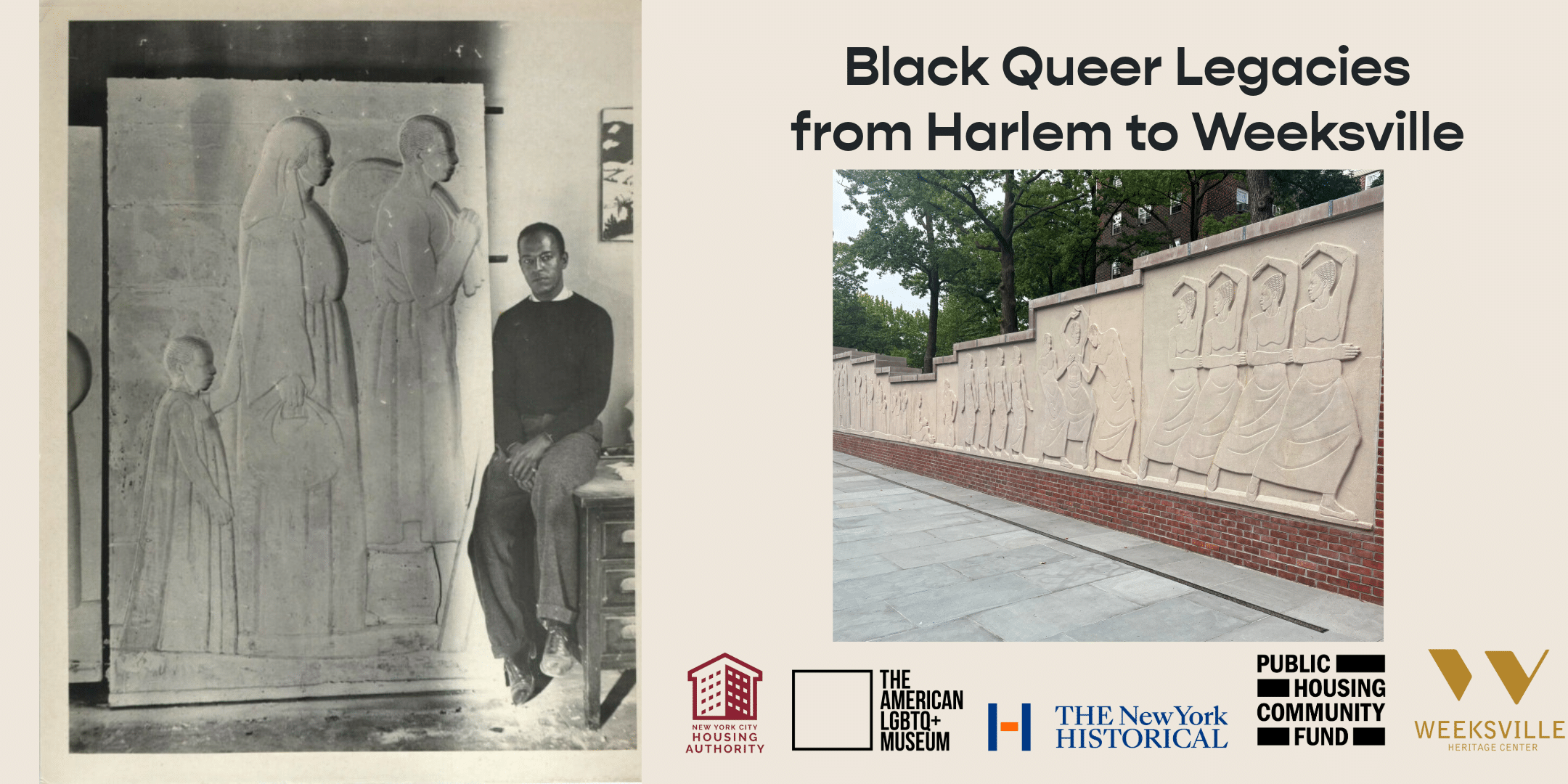
The program begins at Weeksville with a performance by Rashida Bumbary inspired by Richmond Barthé’s frieze, Exodus and Dance. The performance turns to the frieze as a space of memory and embodiment, reflecting on Barthé’s legacy as a Black queer artist and the role of public art in holding and transmitting cultural history.
Part Two: Salon-Style Panels
After the performance we will transition to a series of salon-style panel conversations that bring together historians, artists, curators, writers, archivists, and cultural workers.
- Living for the City: Black Migration from the Outset of the Harlem Renaissance explores Black migratory patterns between Harlem and Brooklyn in the early twentieth century. Moderated by historian Prithi Kanakamedala, the conversation brings together Allison Robinson and Anne Lessy, curators of Gay Harlem Renaissance at New York Historical; Carla J. DuBose-Simons, a historian at SUNY Westchester Community College; Dominique Jean-Louis of the Center for Brooklyn History; and writer and educator Sharifa Rhodes-Pitts. Together, they examine how housing, employment, transit, and cultural life shaped movement to neighborhoods such as Bed-Stuy, Crown Heights, and Weeksville, framing migration as a dynamic expression of modern Black life in New York City.
- We Are the Record: Oral Histories and the Black Storytelling Tradition, centers oral history as both a scholarly practice and a deeply rooted community tradition. Moderated by Saijah Williams, Oral History and Digital Storytelling Lead at The Public Housing Community Fund, the conversation features Madeline Grace Alexander, Director of Programs at Columbia University and Program Manager for I See My Light Shining Queer Black; Faith Robinson of BedStuy Forever; Memory Worker, Zakiya Collier; and Michael Gaines, a participant in the Kingsborough Oral History Project. Together, they explore oral history as a tool for preservation, public memory, and community building, offering insight into how individuals and communities document and sustain their own histories.
- Black Contemporary Artists, Creatives & Community-Builders brings together Black contemporary artists and cultural workers to reflect on art in public space, creative practice as community care, and the ongoing contributions of Black and LGBTQ+ creatives. Moderated by Dejá Aaliyah Belardo, Associate Curator of Visual Art and Civic Programs at The Shed, the conversation features Ayesha Williams, Executive Director of the Laundromat Project; Tiffany Dockery, owner of Gladys Books & Wine; and Curator and Choreographer Rashida Bumbray. Grounded in the legacies of the Harlem Renaissance, Kingsborough Houses, and Weeksville, the panel highlights how today’s artists carry history forward while imagining new collective futures.
During the 15-minute transitions between each panel, guests are invited to engage with:
- Facilitated artmaking sessions
- Homework: Architectures of Belonging, on view at Weeksville Heritage Center
- Oral history listening stations featuring community voices and narratives
Schedule Overview
12:00 PM – Performance by Rashida Bumbary & Opening Remarks at Weeksville Heritage Center
1:00 PM – Living for the City: Black Migration from the Outset of the Harlem Renaissance
2:00 PM – We Are the Record: Oral Histories and the Black Storytelling Tradition
3:00 PM – Black Contemporary Artists, Creatives & Community-Builders
3:45 PM – Closing Remarks
4:00 PM – Program Ends
Meet Our Speakers
Living for the City: Black Migration from the Outset of the Harlem Renaissance
Allison Robinson (Panelist)
Allison Robinson, Ph.D., is the associate curator of history exhibitions at The New York Historical. Robinson received her doctorate in History from the University of Chicago. Since joining the Historical, she has curated multiple exhibitions and installations, including Title IX: Activism On and Off the Field, Crafting Freedom: The Life and Legacy of Free Black Potter Thomas W. Commeraw, Kara Walker: Harper’s Pictorial History of the Civil War (Annotated), Women’s Work, and Running for Civil Rights: The New York Pioneer Club, 1936-1976. Most recently, she was lead curator of The Gay Harlem Renaissance, an exhibition that invites visitors to immerse themselves in the richness of Black LGBTQ+ life in the 1920s and 1930s. Open through March 8, 2026, it provides a sweeping portrait of Harlem after the First World War, when the Great Migration of Black Southerners, Caribbean migrants, activists, writers, painters, and performers transformed the neighborhood into the dynamic new capital of Black America.
Anne Lessy (Panelist)
Anne Lessy is the assistant curator of history exhibitions and academic engagement at The New York Historical. She is the co-curator of the Gay Harlem Renaissance and Blacklisted: An American Story, a traveling exhibition. She worked previously at the Museum of Jewish Heritage and the Beinecke Rare Book and Manuscript Library. She holds a M.A. and MPhil. in History from Yale University and a B.A. in Modern Culture and Media from Brown University. Prior to pursuing public history, she was a tenant and community organizer.
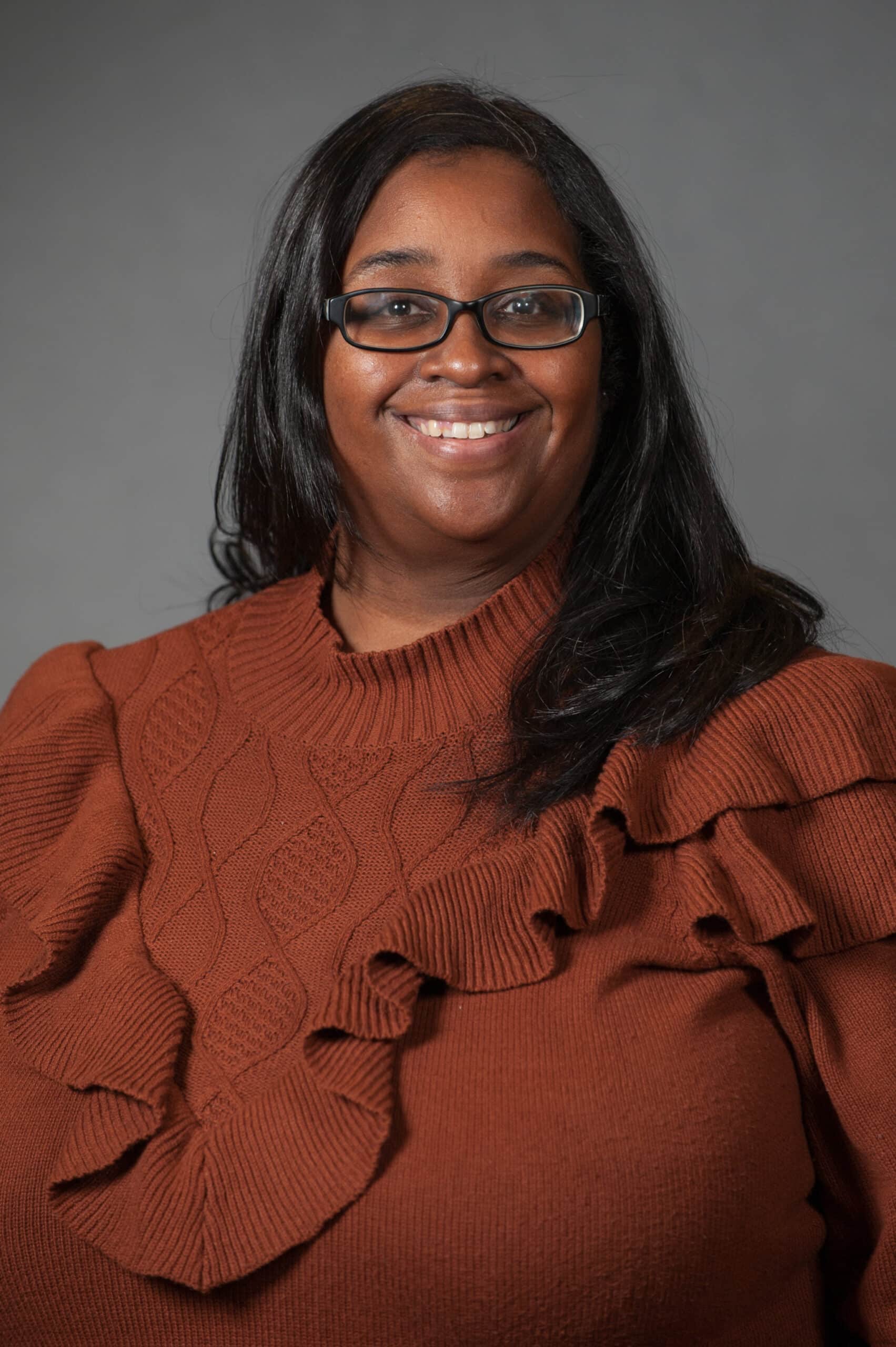
Carla J DuBose-Simons (Panelist)
Carla J DuBose-Simons, Ph.D, earned her doctorate in American History from the Graduate Center of the City University of New York in February, 2013. Her dissertation entitled The ‘Silent Arrival’: The second wave of the Great Migration and its affects on black New York, 1940-1950, maps areas of black settlement in the city, explains the process by which blacks found employment, analyzes early civil rights activism in the city, and explores the expansion of black settlement beyond the boundaries of Harlem. She published an article on black settlement in the South Bronx “Movin’ on Up: African Americans in the South Bronx in the 1940s” in the Fall 2014 issue of the New York State Historical Association’s quarterly journal New York History. She is an Associate Professor of History in the Humanities Department at Westchester Community College and is Assistant Department Chair of Modern Languages in her department.
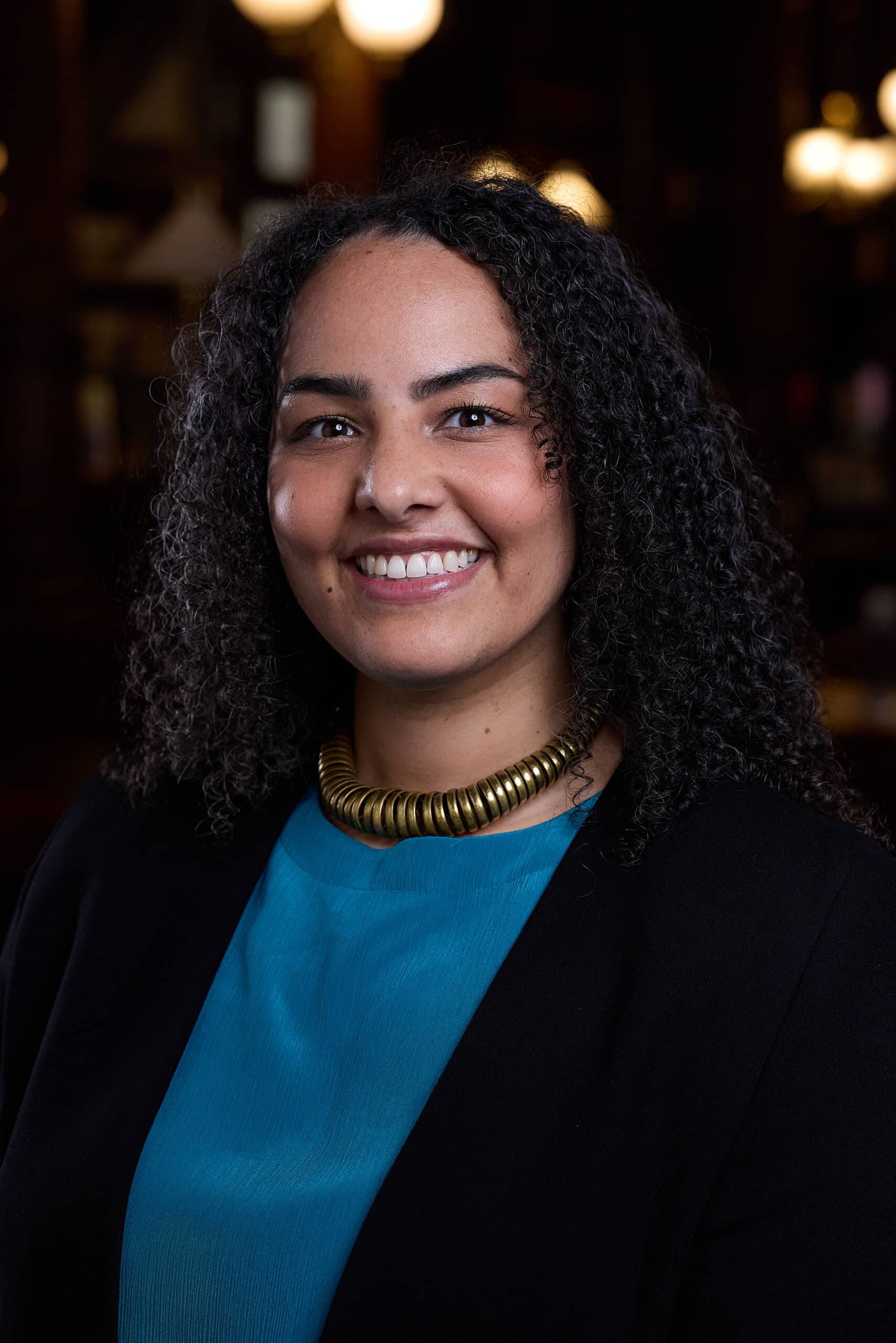
Dr. Dominique Jean-Louis (Panelist)
Dominique Jean-Louis, Ph.D, is the Chief Historian of the Center for Brooklyn History at the Brooklyn Public Library, where she has most recently curated the exhibition The Battle of Brooklyn: Fought and Remembered (2026), and Trace/s: Family History Research and the Legacy of Slavery in Brooklyn (2025). Previously, she held the position of Associate Curator of History Exhibitions at New-York Historical Society, where she co-curated Black Citizenship in the Age of Jim Crow (2018), Our Composite Nation: Frederick Douglass’ America (2022), and was the co-curator of Black Dolls (2022). She received her B.A. in Comparative Ethnic Studies from Columbia University, and her Ph.D in US History from New York University, with her doctoral research focusing on race, education, and immigration in post-Civil Rights Era Brooklyn. Her public history practice often places her work at the intersection of history, art, and activism, with recent projects including a map of Black New York City historical sites with an emphasis on public art and green spaces, and a pop-up exhibition on the history of East New York, Memories Matter (2025), in the Euclid Avenue A/C subway station as a collaboration with the Metropolitan Transit Authority’s Vacant Unit Activation Program. Dominique regularly writes and lectures on Blackness in America, schools and education, and New York City history.
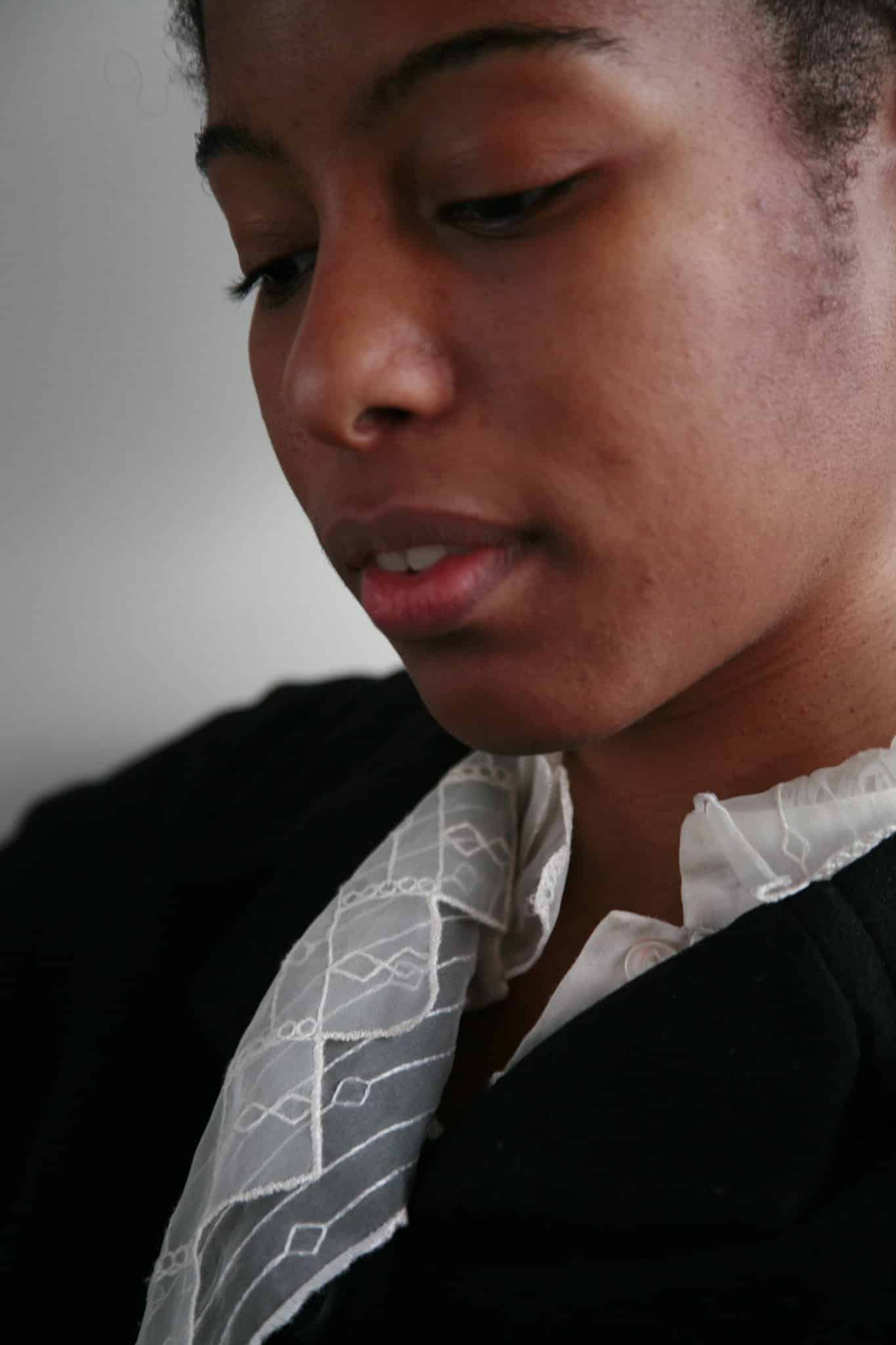
Sharifa Rhodes-Pitts (Panelist)
Sharifa Rhodes-Pitts has published widely on African-American history, politics and culture. Her book Harlem is Nowhere: A Journey to the Mecca of Black America, was a New York Times Notable Book, a National Book Critics Circle Finalist and cited by BOOKFORUM as the “Best New York Book” written in the twenty years since the magazine’s founding. Her book for young readers, Jake Makes a World: Jacob Lawrence, a Young Artist in Harlem (commissioned by MoMA and illustrated by Christopher Myers) was named by Booklist among the year’s top books about art for children. A 2025 recipient of the Andy Warhol Foundation Arts Writers Grant, she has contributed to monographs on Simone Leigh, Dawoud Bey and Richard Mayhew among others. Rhodes-Pitts is an associate professor of writing at Pratt Institute, where she also leads the Black Studies minor. Sharifa organizes collaborative public projects through The Freedwomen’s Bureau.
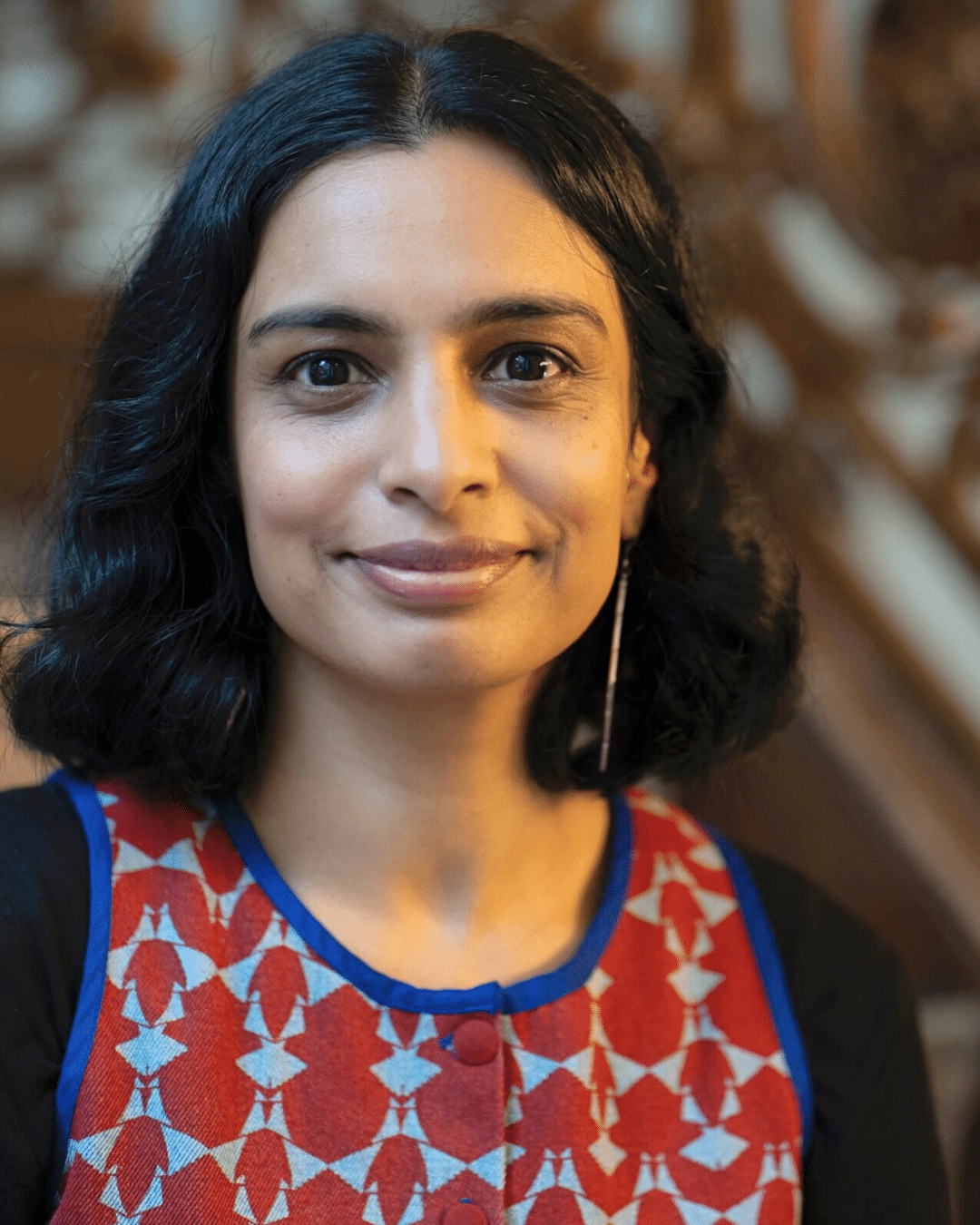
Prithi Kanakamedala (Moderator)
Prithi Kanakamedala is Professor of History at Bronx Community College and The Graduate Center CUNY. Her first full-length book Brooklynites: the Remarkable Story of the Free Black Communities that Shaped a Borough (NYU Press) was a finalist for the 2025 Gotham Book Prize, long-listed for the 2025 Brooklyn Public Library Book Prize (nonfiction) and won the 2024 Victorian Society of New York Book Award. An active public historian for just under two decades, Prithi continues to work collaboratively with artists, curators, and cultural organizations across New York City.
We Are the Record: Oral Histories and the Black Storytelling Tradition
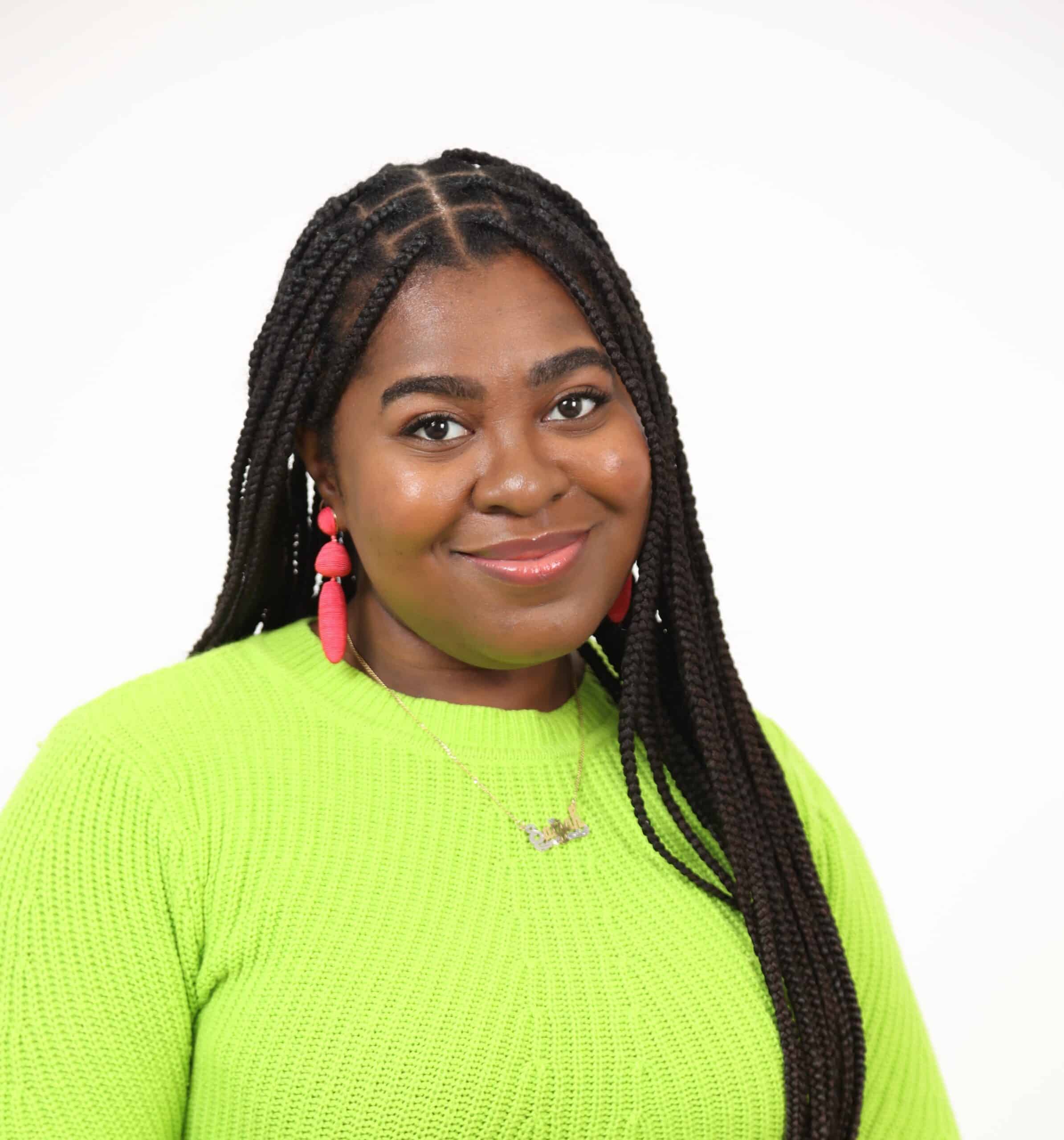
Saijah Williams (Moderator)
Saijah Williams is the Oral History Lead at The Public Housing Community Fund and a nonprofit professional with over fifteen years of experience in the sector. She has worked in various settings, including museums, schools, and organizations. Saijah’s career has been guided by her love of art history, Black history, cultural preservation, and community engagement, which she credits to having been born and raised in the cultural enclave that is Bedford-Stuyvesant in Brooklyn, NY. She has contributed to exhibitions, publications, and curricula highlighting diverse, underrepresented perspectives and stories.
Saijah holds a Bachelor of Arts in American Studies and African American Studies from CUNY Brooklyn College.
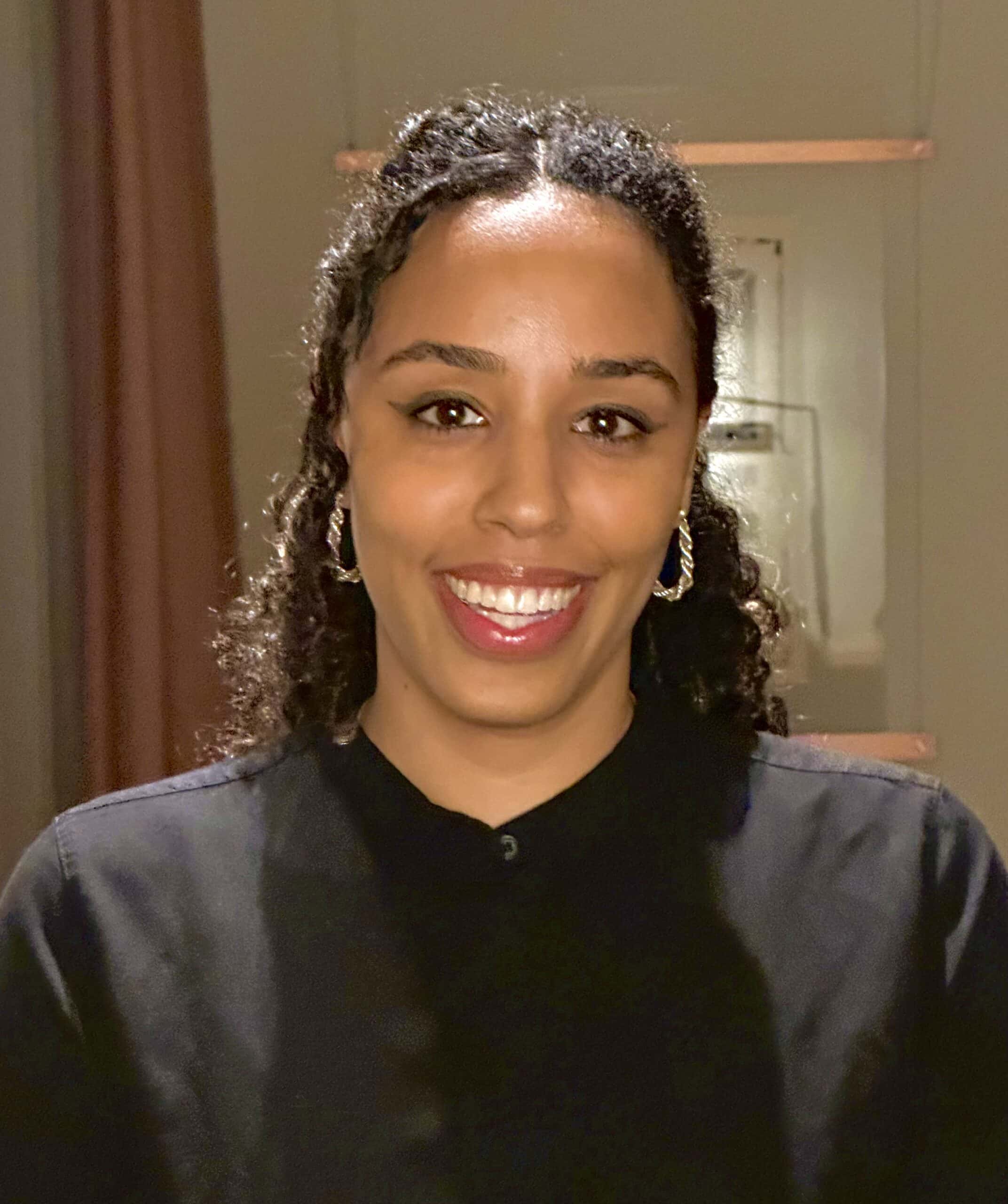
Madeline Alexander (Panelist)
Madeline Alexander serves as the Projects Director and a public historian at the Incite Institute, where she directly oversees various fellowships and Incite’s collaborative efforts and projects. As the Project Manager on the Elders Project, she facilitated the project’s aims, which went on to receive awards for DEI, Activism, Digital/ Innovative Experiences in Education, Art, and Culture. She served as Engagement Coordinator for Black communities at the State Museum of Colorado, where she co-founded the flagship Blaxplanation program. Her research interests currently focus on the use of media in the public realm as a facilitator and interpreter of intellectual work.
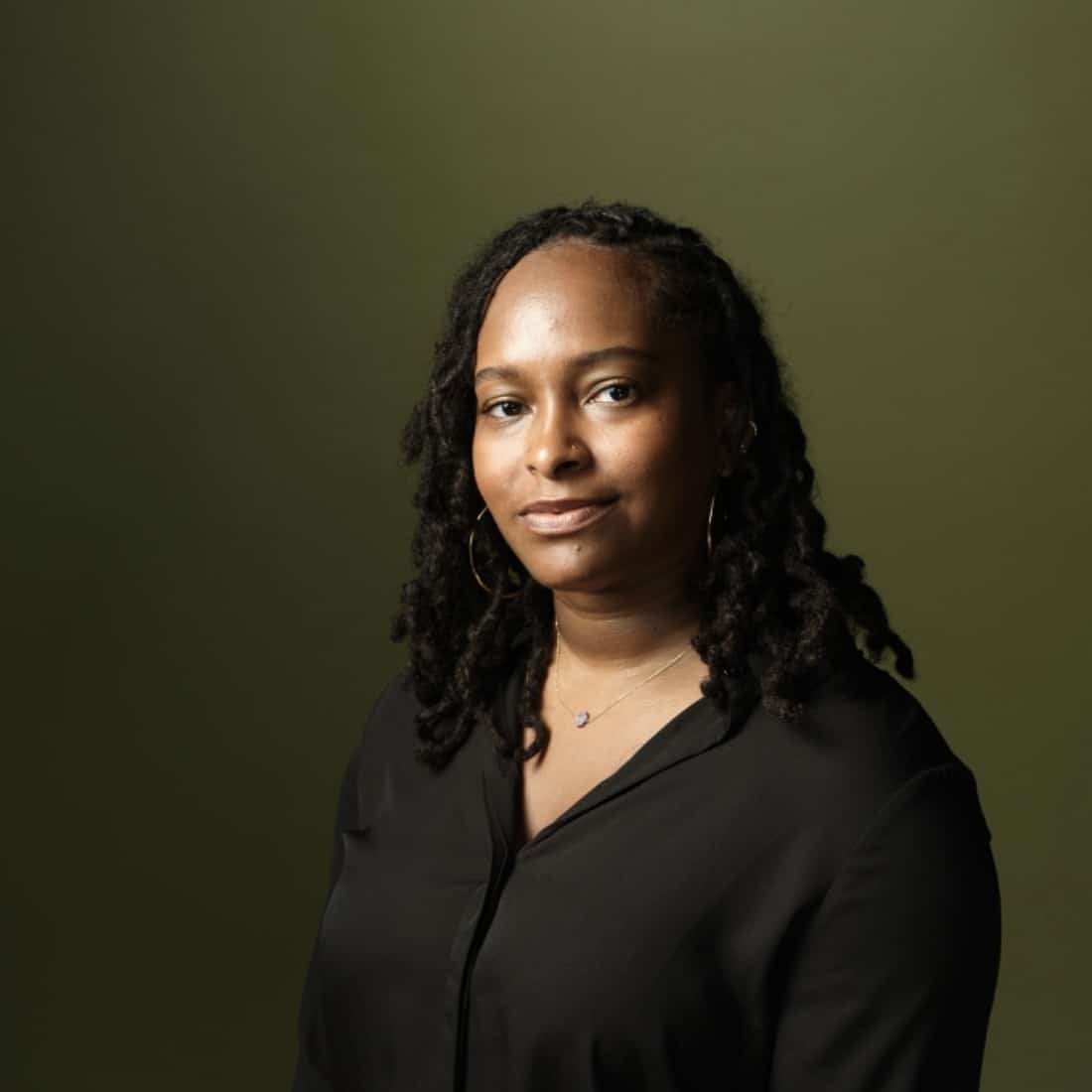
Zakiya Collier (Panelist)
Zakiya Collier is a multidisciplinary archivist, memory worker, and educator whose work explores the role of cooperative archival practices in sustaining cultural memory. She leads The Black Memory Workers, a community of over 300 members committed to practicing care and intention in the long-term preservation of Black life. Zakiya is currently an Adjunct Professor at Queens College (CUNY) and New York University, and recently a 2025 Artist-in-Residence with The Laundromat Project. She is also a co-producer on the forthcoming documentary, Somebody’s Gone, and co-editor of a special double issue of The Black Scholar on Black Archival Practice.
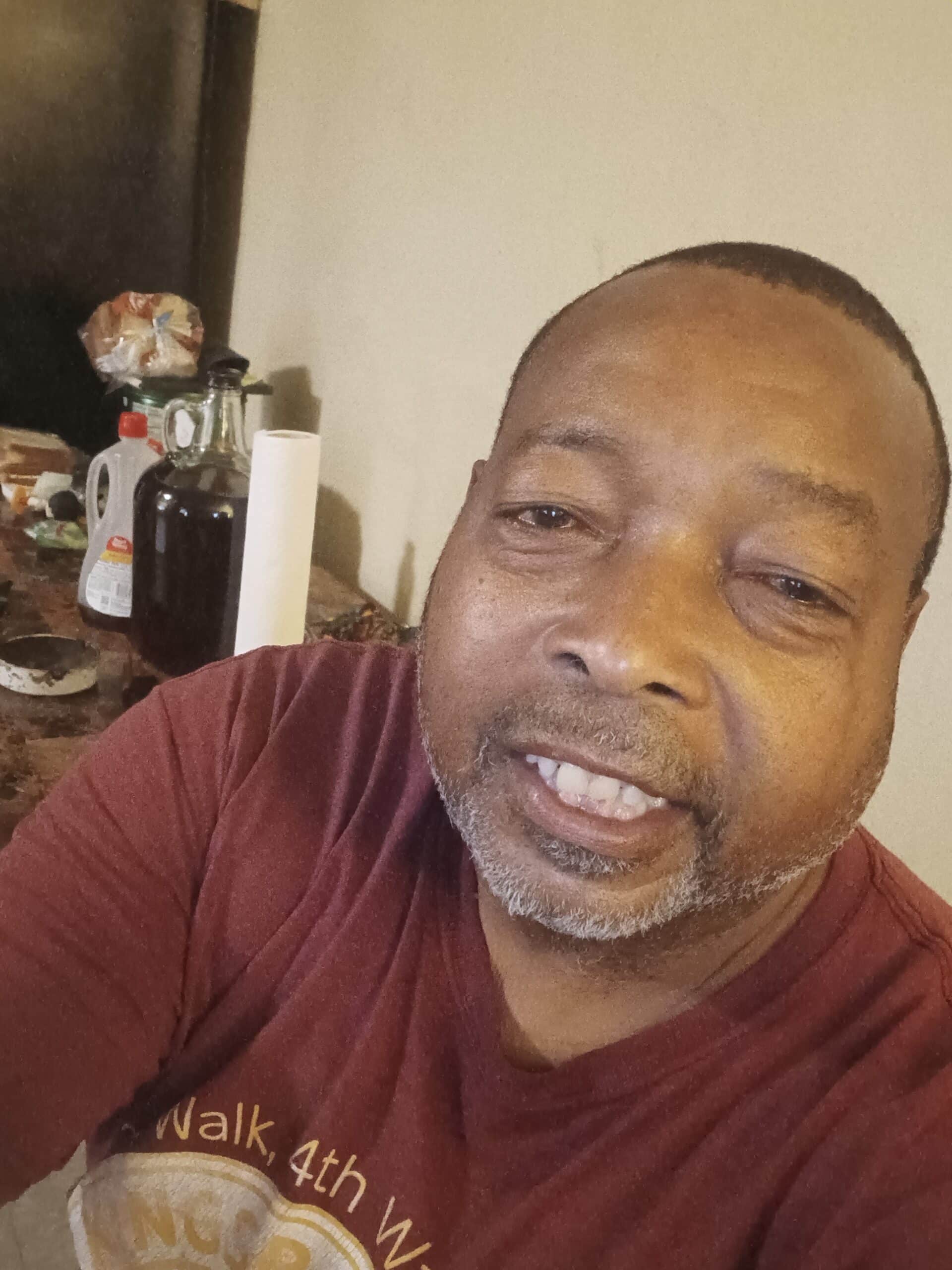
Michael Gaines
Association President (T.A.P.) for 17 years, during which time he oversaw the renovation of the parks and the restoration of the wall. He is proud of his contributions to the community and looks forward to continuing his work in the future.
Black Contemporary Artists, Creatives & Community-Builders
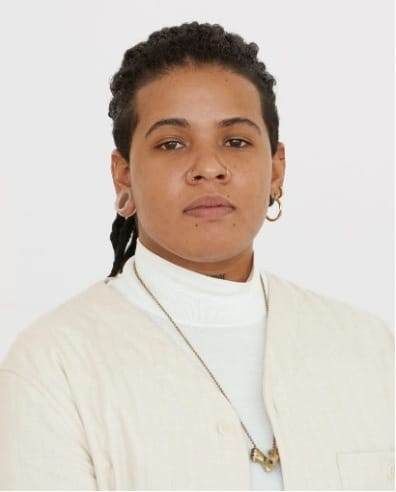
Dejá Aaliyah Belardo (Moderator)
Dejá Aaliyah Belardo (she/they) is a curator and painter based in New York City, born and raised in St. Croix, U.S. Virgin Islands. They are Associate Curator of Visual Art and Civic Programs at The Shed. Belardo supports boundary-pushing artists, particularly those historically marginalized, as they enter the art historical canon. Their experience includes work with the Whitney Museum of American Art, Pace Gallery, and training with The Studio Museum in Harlem. They also lecture, serve on panels, and maintain an independent studio practice.
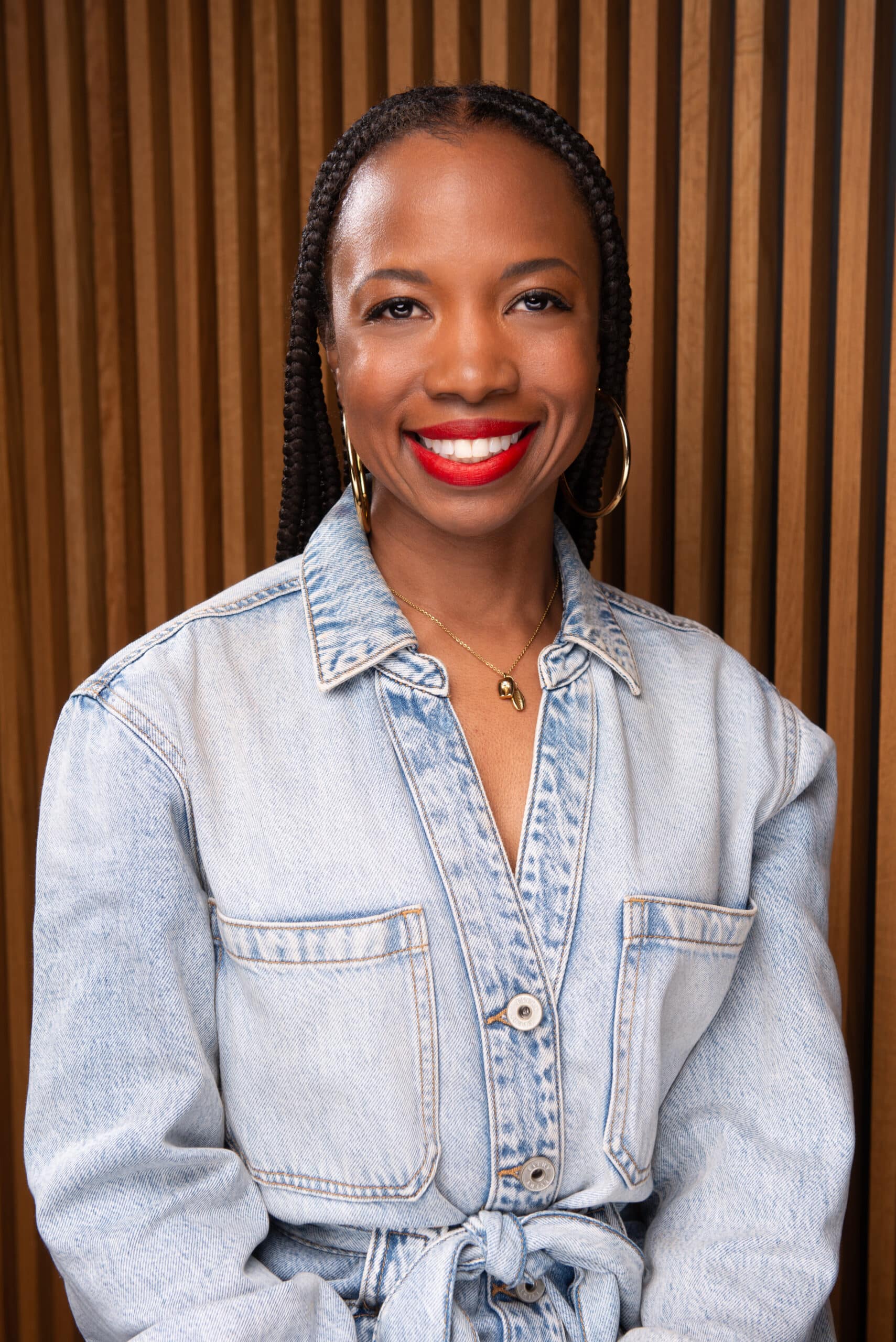
Ayesha Williams (Panelist)
Ayesha Williams is the Executive Director of The Laundromat Project, a Bed-Stuy–based organization supporting multiracial, multigenerational artists and neighbors committed to social change. With two decades in the arts, she has worked with visual artists, led programs, and generated funding for galleries and nonprofits, including managing Visual Arts at Lincoln Center and directing Kent Gallery. She serves on the boards of Rivers Institute for Contemporary Art & Thought and The Black School, and is a member of Independent Curators International.
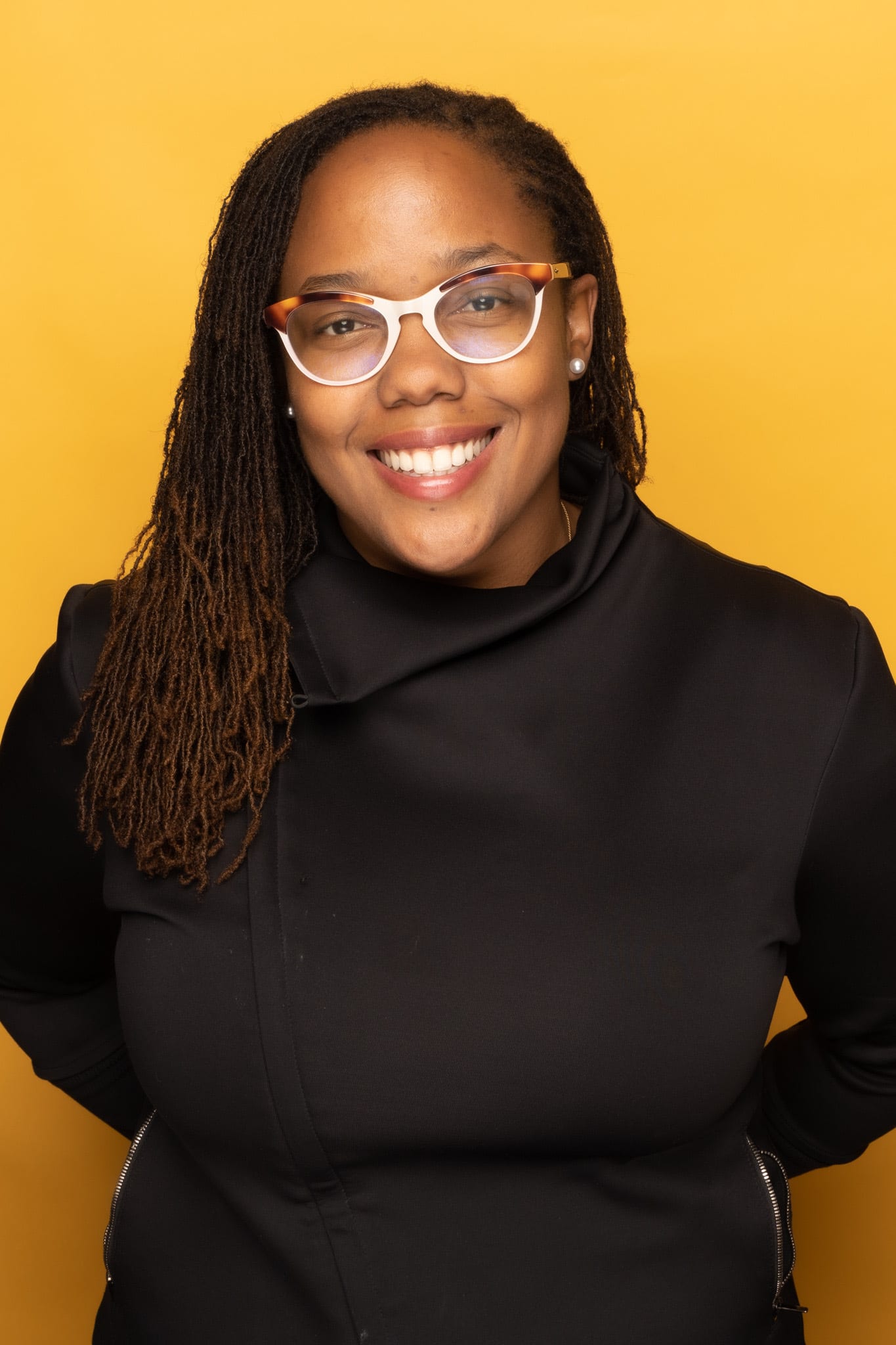
tiffany dockery
tiffany dockery is the owner of Gladys Books & Wine, a Black lesbian bookstore and wine bar named after her grandmother, serving as a community space for literary events, wine tastings, and experiences celebrating Black culture and queer joy. She is also Principal Product Manager at Yelp, building tools to help small businesses thrive. Previously, tiffany worked at Google, Etsy, Instagram, and Spotify leading product innovation. A Columbia College ’09 BA and Yale SOM ’13 MBA graduate, she combines systems thinking, human-centered design, and social justice in both tech and community work.
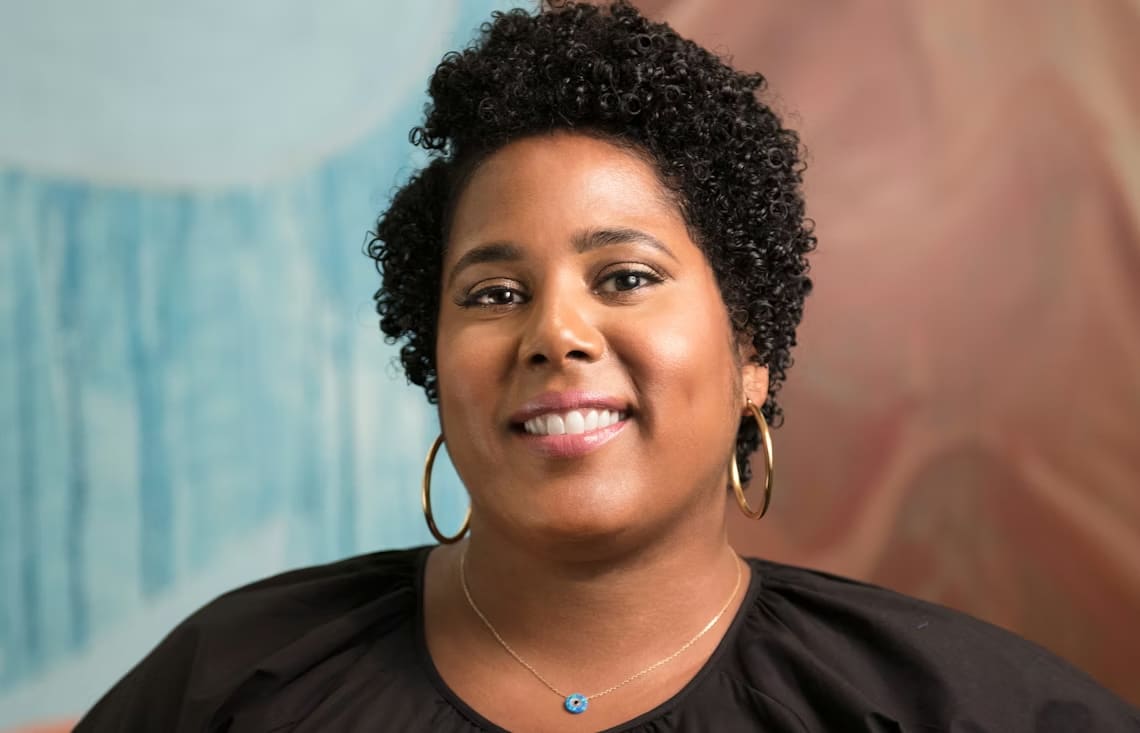
Rashida Bumbray
Rashida Bumbray is an award-winning choreographer, curator, and filmmaker deeply rooted in Black vernacular and folk traditions, including ring shouts, hoofing, and Blues improvisation. Like Zora Neale Hurston and Katherine Dunham, Bumbray merges curatorial and ethnographic methodologies with avant-garde practices, crafting intimate performances and films reimagining sacred and secular rituals. Her work explores the architectures of improvisation, surrender, and possession, offering poignant responses to contemporary experiences of displacement, erasure, and collective forgetting.
Bumbray’s practice has earned numerous accolades, including the 2024 Anonymous Was A Woman Award, a 2024 Ruby’s Artist Award, a 2024 Tate Infinities R&D Award, and a 2019 United States Artist Fellowship. She was Civic Practice Artist in Residence at the Metropolitan Museum of Art from 2017 to 2021. Her performances and films have been presented by institutions, including the Metropolitan Museum of Art; Black Star Film Festival; Dia: Chelsea (with Leslie Hewitt); Harlem Stage; Dancing While Black; SummerStage; Tate Modern (with Simone Leigh); the New Museum (with Simone Leigh), and Project Row Houses. Her work, “Run Mary Run,” was named among The New York Times’s best performances of 2012 and is featured in Common’s short film, “Black America Again” (2016), directed by Bradford Young. She was nominated for a Bessie Award for Outstanding Emerging Choreographer and continues to push the boundaries of dance, film, and ritual performance. A graduate of Oberlin College, Bumbray also has an MA in Africana Studies from New York University. Her writing on contemporary art, cultural studies, and comparative literature is published in journals and exhibition catalogs.